Abel Nzaka, Mazowe, Zimbabwe
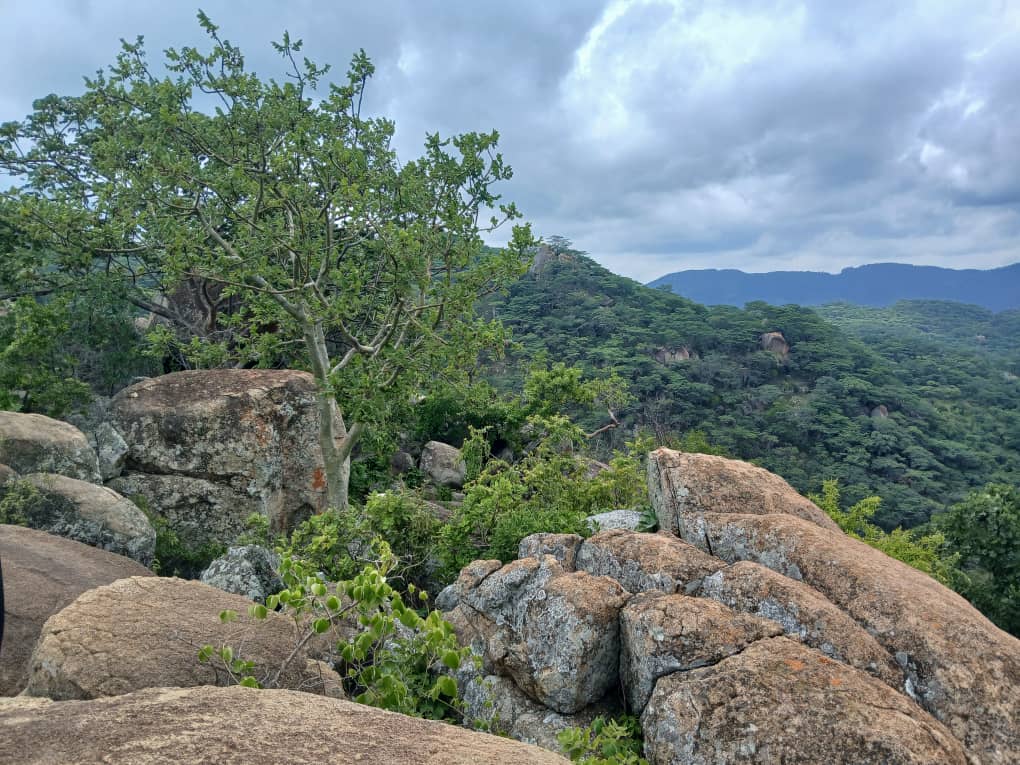
Zimbabwe- Just outside Harare, where miombo woodland meets granite kopjes, lies a landscape that tells two stories at once: the story of Zimbabwe’s natural heritage and the story of its people.
The Upper Mazowe National Monument, which includes the Mazowe Botanical Reserve, protects more than trees and birds.
It safeguards a cultural archive carved, painted, and built by those who came before us.
San Bushman Paintings: A Window into the Past
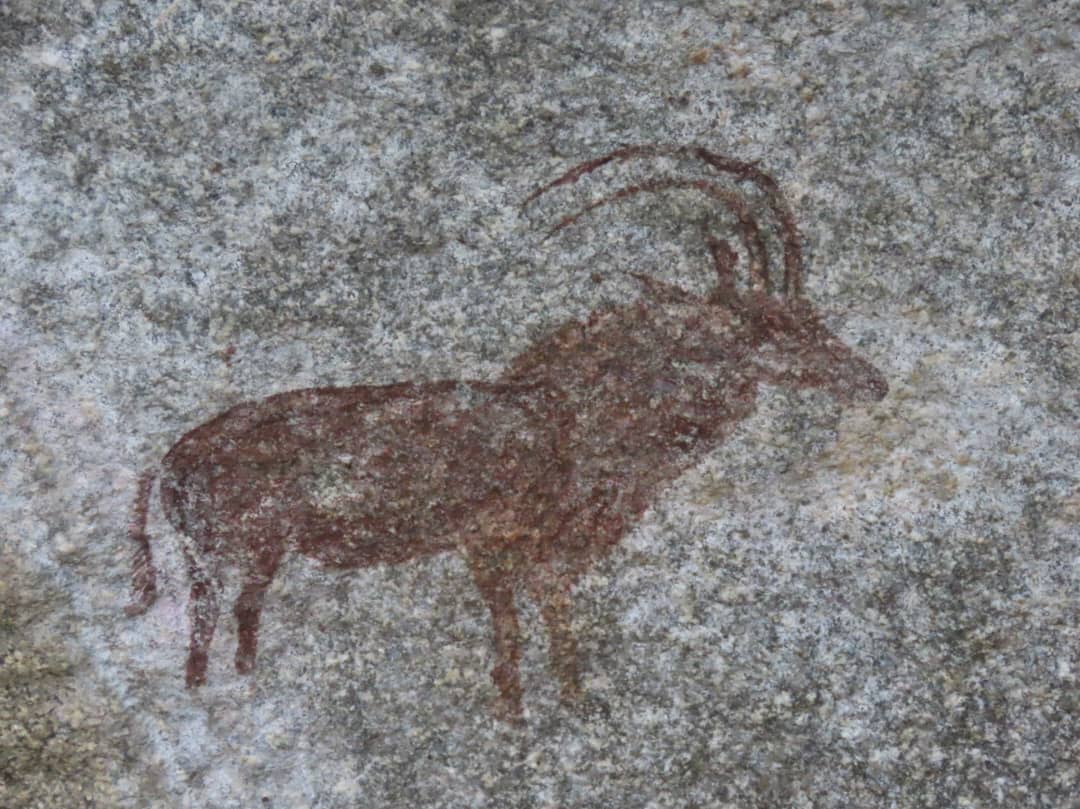
Hidden in shallow rock shelters and caves across the reserve are paintings left by San hunter-gatherers.
These images of antelope, human figures, and abstract patterns are not mere decoration.
They are spiritual records, hunting maps, and social histories painted with ochre and charcoal hundreds, sometimes thousands, of years ago.
Their significance is twofold.
Archaeologically, they provide direct evidence of San presence, belief systems, and adaptation to the Mazowe environment long before written records existed. Culturally, they link present-day Zimbabweans to one of Africa’s oldest continuous cultural traditions.
For visitors and students, standing before these paintings is a direct connection to a way of life that shaped the land we now conserve.
Grain Bins: Engineering and Food Security of Early Communities
Lacated in secret sites are mud and wood grain bins, cylindrical structures used by early farming communities to store sorghum, millet, and other crops. These bins reveal sophisticated knowledge of food preservation, pest control, and seasonal planning.
Sadly, some of these were destroyed by people engaged in illegal mining, looking for minerals presumed to have been kept in these structures
In a modern context, they are reminders of indigenous agricultural resilience.
At a time when climate variability threatens food security, these structures speak to sustainable practices that allowed communities to thrive in the same landscape for centuries.
For archaeologists, they help date settlement patterns and trade networks in the Upper Mazowe Valley.
The Caves: Shelter, Ceremony, and Conservation
The granite caves of Mazowe Botanical Reserve served multiple roles. Some were shelters for transient hunter-gatherers. Others show evidence of use as initiation sites and rain-making ceremonies.
The physical protection offered by the caves preserved both the paintings and the oral traditions associated with them.
Today, these caves remain ecologically important as roosting sites for bats and nesting areas for raptors, creating a rare overlap where natural and cultural heritage reinforce each other.
Disturb one, and you risk losing both.
Why Protection Matters Now
The Upper Mazowe National Monument is under pressure from illegal mining, wood poaching, and unregulated tourism. Once a painting is defaced or a grain bin is dismantled, that history cannot be replaced.
The significance of these sites extends beyond academic interest.
They are educational resources for schools, attractions for cultural tourism, and symbols of national identity.
Managed by My Trees Trust in partnership with the National Botanic Gardens under the Ministry of Lands, Agriculture, Fisheries, Water and Rural Development, the reserve’s conservation model recognises that protecting biodiversity means nothing if the human story of the land is erased.
A Call to Stewardship
For locals, the sites are ancestral memory made visible.
For Zimbabwe, they are part of the country’s contribution to global heritage under the National Museums and Monuments Act. For the world, they are irreplaceable evidence of human creativity and adaptation in southern Africa.
As hikers and birders walk the trails of Mazowe Botanical Reserve, the real significance lies in remembering that every path passes through history.
The challenge now is to ensure that future generations can walk the same paths and still read the stories written in stone.
Visitor Note: The rock art and grain bins within Mazowe Botanical Reserve are protected under Zimbabwean law.
Visitors are asked not to touch, draw on, or remove any artefacts. Guided tours can be arranged through My Trees Trust to ensure minimal impact and maximum understanding.