


The introduction of the Smart Traffic Management System (STMS) in Harare has brought renewed focus on road safety and compliance with traffic regulations, but concerns are emerging over whether the city’s pedestrian infrastructure is adequate to support the stricter enforcement measures.
Police have urged pedestrians to use designated crossing points and avoid jaywalking, warning that those who disregard traffic regulations will face the full force of the law.
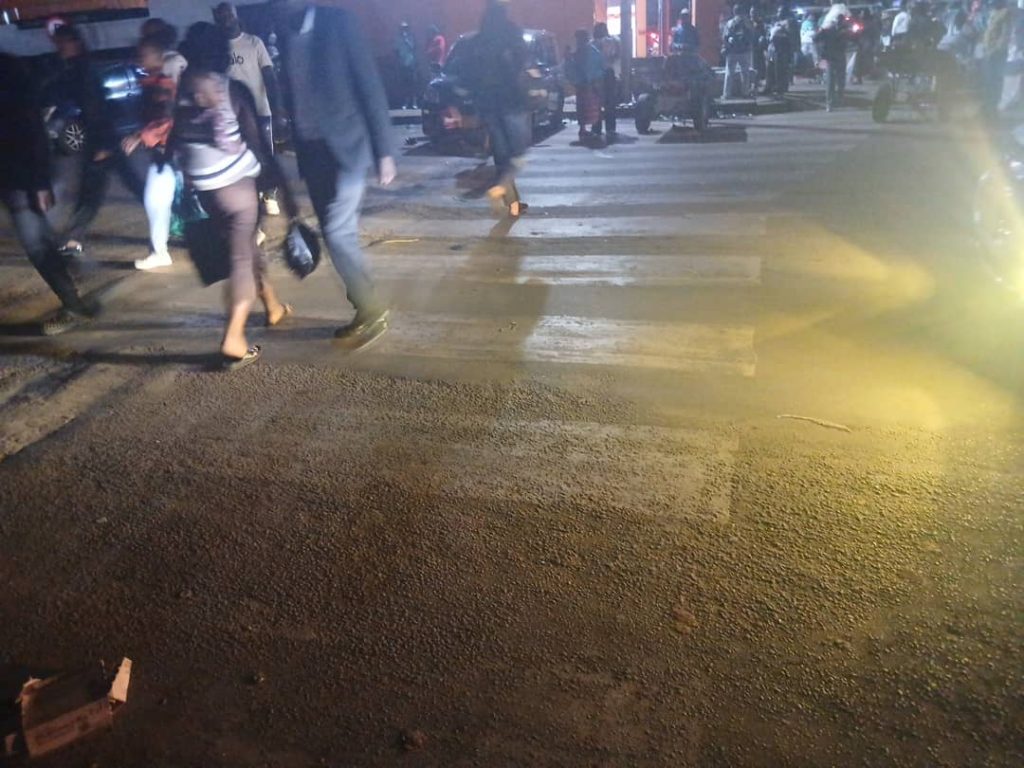
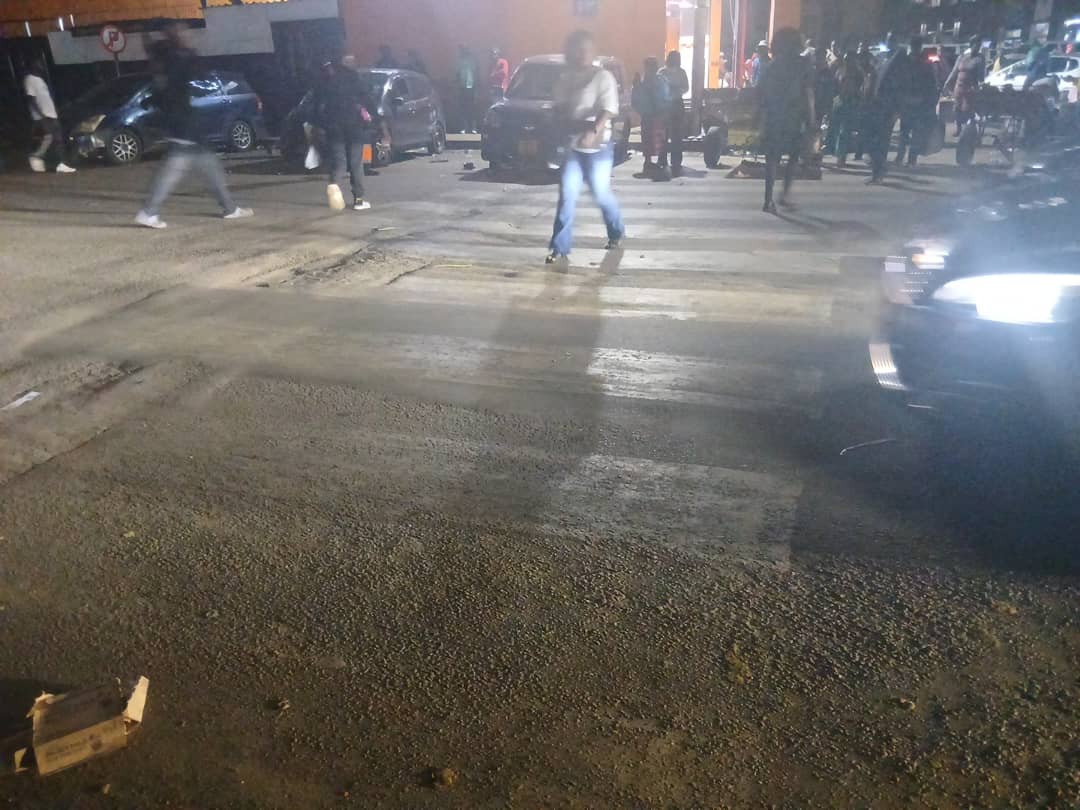
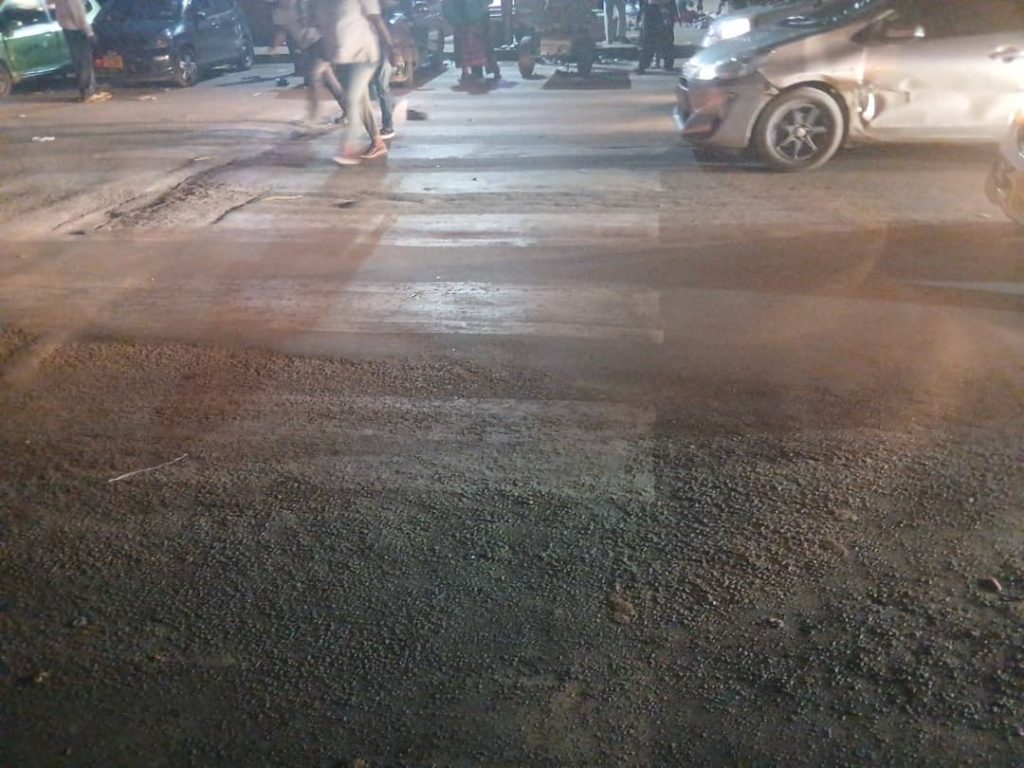
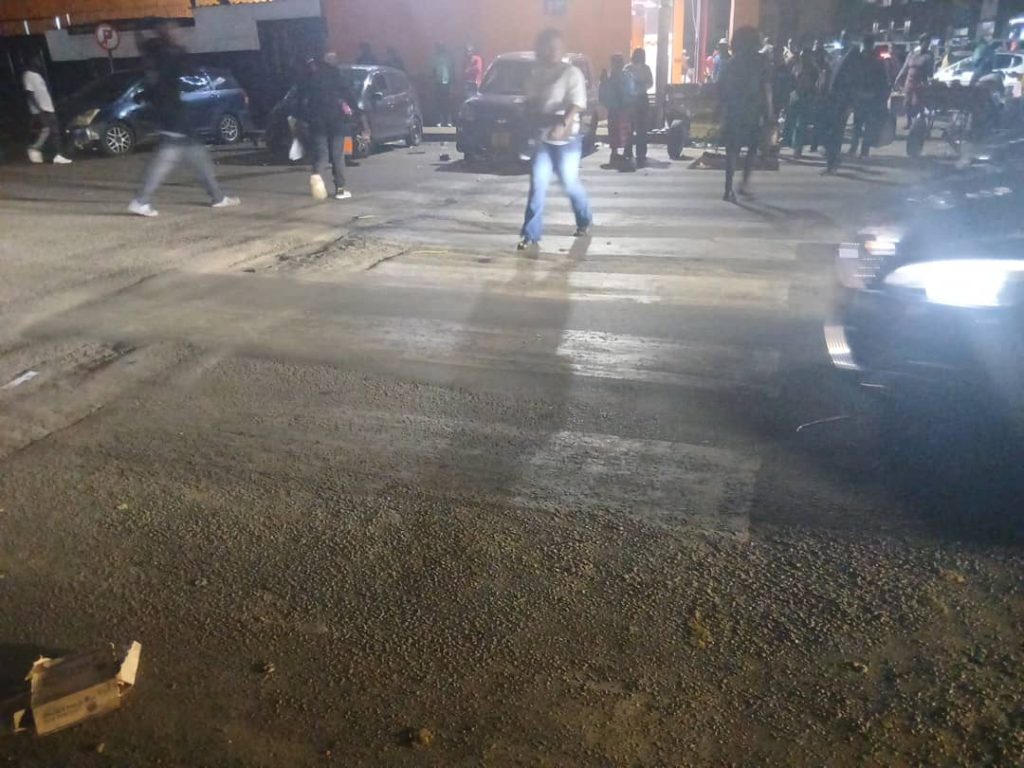
However, the directive has raised questions about the limited number of clearly designated zebra crossings in Harare’s Central Business District (CBD), where thousands of people move between shops, offices, transport ranks and other public facilities every day.
Zimbabwe Republic Police (ZRP) national spokesperson Commissioner Paul Nyathi recently called on pedestrians to observe road safety regulations, emphasising that existing laws would be enforced against those who fail to use designated crossing points.
“We want people to cross at designated points, and the laws are there to be applied to those not adhering to this requirement,” Commissioner Nyathi said.
Police have also cautioned that jaywalking could complicate the determination of responsibility when road accidents involving pedestrians and motorists occur.
While pedestrian compliance is essential in reducing road accidents, the effectiveness of enforcement also depends on whether the necessary infrastructure is readily accessible.
In Harare’s CBD, pedestrians often have to navigate busy roads to reach commercial premises, workplaces, public institutions and transport facilities.
Where designated crossing points are limited or inconveniently located, some may be tempted to take the shortest route across the road, exposing themselves and motorists to danger.
This presents a challenge for authorities as they seek to balance enforcement with the practical realities of pedestrian movement in an increasingly busy urban environment.
The Smart Traffic Management System has identified 20 surveillance sites in Harare’s CBD as part of efforts to monitor road use, detect traffic violations and improve compliance with traffic regulations.
The system is expected to strengthen accountability among road users, but its success should not be measured solely by the number of violations detected or penalties imposed.
It should also be reflected in safer roads, reduced accidents and improved movement for all road users.
Pedestrians are among the most vulnerable road users, particularly in areas where vehicles, public transport operators, cyclists and large volumes of people compete for limited road space.
Consequently, improving pedestrian infrastructure should complement the introduction of smart traffic surveillance.
The City of Harare and relevant road authorities could consider increasing the number of zebra crossings, repainting faded markings, installing appropriate pedestrian signage and ensuring that crossing points are strategically positioned near busy commercial areas, public transport facilities and major pedestrian routes.
Where necessary, pedestrian traffic signals and other safety features could also help regulate movement at particularly busy intersections.
“Public awareness campaigns will equally be important in ensuring that pedestrians understand the regulations, the risks associated with jaywalking and the importance of using designated crossing points.
“Ultimately, road safety is a shared responsibility.
“Motorists must observe speed limits, respect pedestrian rights and remain alert, while pedestrians must exercise caution and use designated crossing facilities,” said a road user in the CBD, Owen Madanda.
The introduction of smart traffic monitoring presents an opportunity to rethink how Harare manages its roads and protects all road users.
The question, therefore, is not whether pedestrians should obey traffic regulations, but whether the existing infrastructure makes compliance practical and accessible.
As authorities move towards stricter traffic enforcement, ensuring that pedestrians have sufficient, visible and conveniently located crossing points should be an integral part of the system.
A truly smart traffic management system should not only monitor road users; it should also create an environment in which everyone can use the roads safely.


 has brought renewed attention to road safety, with police urging pedestrians)