Zimdailyjournal Reporter
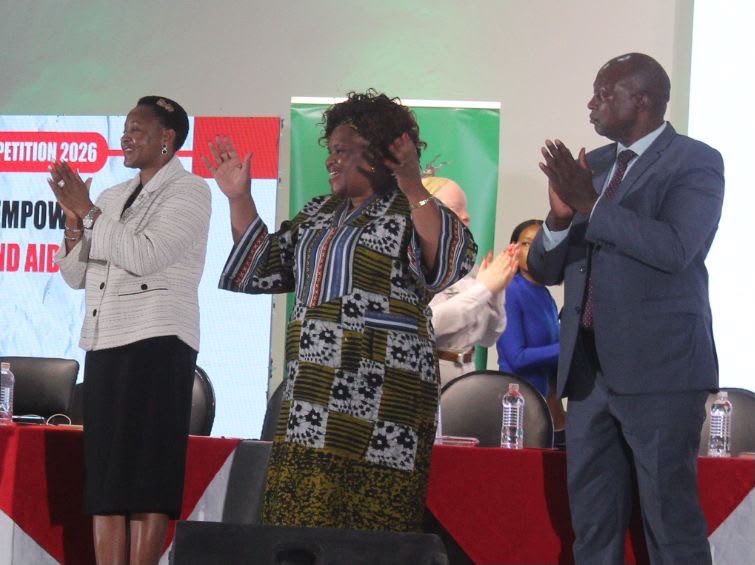
Zimbabwe needs stronger sex education in schools to help learners make informed decisions, protect themselves from HIV and AIDS, and resist peer pressure, Deputy Minister of Primary and Secondary Education Angeline Gata has said.
She said the government must strengthen comprehensive sex education in schools if the country is to end AIDS by 2030.
Gata believes that learners need practical health education that helps them make responsible decisions.

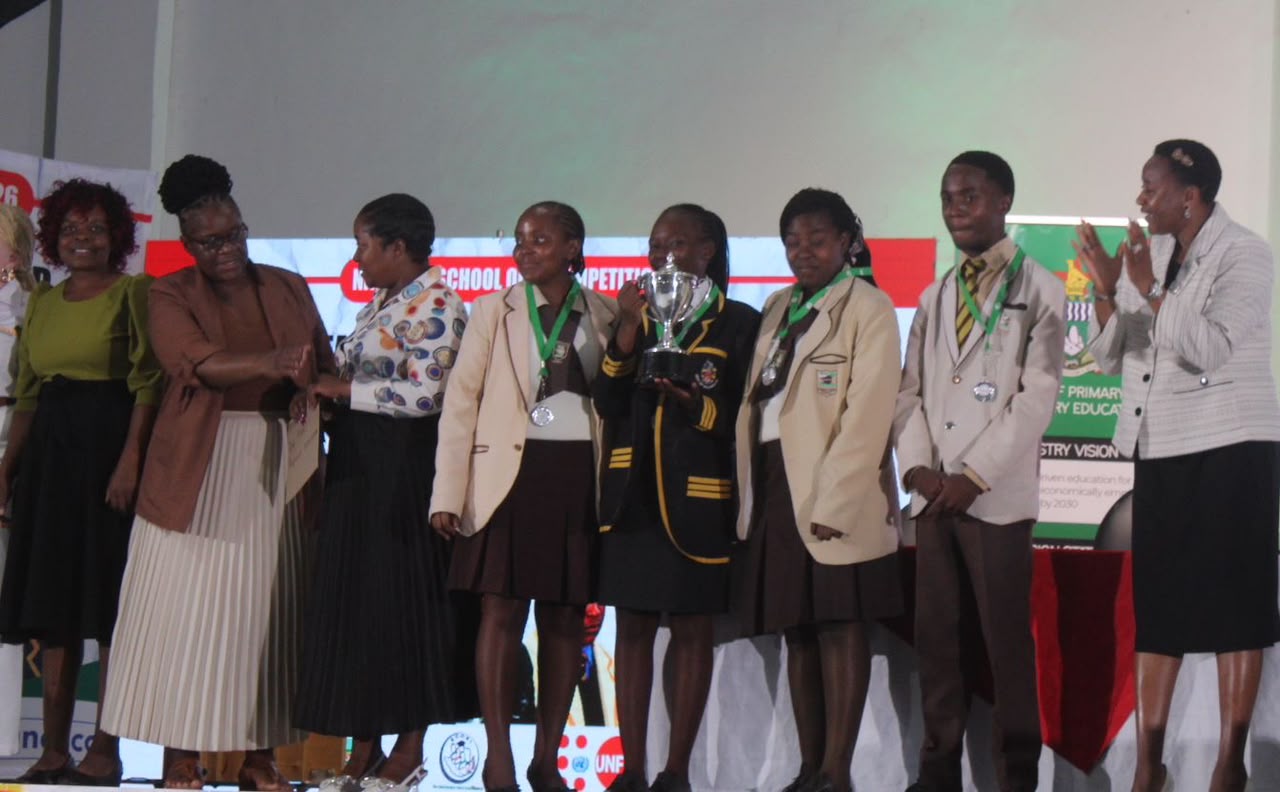
She was speaking at the 2026 National AIDS Council (NAC) and Ministry of Primary and Secondary Education schools quiz national finals held at Glencity Retreat in Goromonzi, where ZRP High School and Amanda’s Junior School were among this year’s winners.
The competition was held under the theme “Learners: Informed, Empowered, Resilient and United to End AIDS by 2030”.
Gata said Zimbabwe had come a long way from the days when HIV and AIDS could not be openly discussed, but more work was needed to ensure learners received information that could help protect their lives.
She said ending AIDS by 2030 required more than policies and commitments, but continued investment in educating and empowering young people.
“The trick is to continue cultivating, to continue strengthening, to continue investing in you, our learners, so that you become innovative and produce problem-solving, critical thinking skills that we need in Zimbabwe,” she said.
Gata said educating and protecting learners was not the responsibility of schools alone, but required government departments, parents, communities and other partners to work together.
She commended NAC, the Ministry of Health and Child Care, UNESCO, UN agencies, development partners and school communities for supporting programmes aimed at educating and protecting young people.
“These partnerships are very essential in ensuring that the knowledge and services available to our young people are accessible, relevant and responsive to their needs,” she said.
Gata said knowledge about HIV and AIDS should encourage learners to think about how they could contribute towards building a healthier society rather than simply memorising information.
She said schools must also provide a safe environment for learners living with or affected by HIV and AIDS, ensuring they are treated with dignity and supported to continue with their education.
“Use your knowledge to make responsible choices. Resist negative peer pressure. Respect yourself and others. Look out for one another. And never hesitate to seek guidance and support when confronted with a difficult situation,” she said.
Gata also believes that guidance and counselling were important in helping learners deal with challenges, especially those who may not have adequate support at home.
She said children did not choose the families they were born into, making it important for schools to provide a strong foundation through guidance, counselling and support.
“The quality of guidance and counselling that is at a particular school works as deep, deep roots and also a very good foundation. If you have a very good foundation, you can do anything,” she said.
She called on schools to strengthen guidance and counselling, inclusive education and school health programmes, saying every school should be a safe space where learners could acquire knowledge, develop their talents and pursue their dreams without fear, discrimination or exclusion.
Gata also encouraged learners who took part in the competition to value the knowledge and experience they gained, regardless of whether they won prizes.
She said the competition provided an opportunity for learners from different schools and provinces to meet, share ideas and learn from one another.
“You are also very active partners in shaping a healthier, safer and more responsible society,” she said.
Speaking on behalf of NAC chief executive officer Dr B. Matzimo, the NAC representative said the competition was an opportunity to celebrate the knowledge, talent and potential of young people.
He said the quiz was not only meant to test learners’ knowledge but also equip them with information that would support their health, well-being and future success.
The NAC representative commended the Ministry of Primary and Secondary Education for creating safe and supportive learning environments, saying schools played an important role in shaping learners’ values, leadership qualities and life skills.
“If I were to ask each learner here what they aspire to become, I am certain I want to hear a variety of inspiring responses. These are doctors, engineers, teachers, lawyers, entrepreneurs, pilots, scientists, nurses, or even future national leaders.
“These reflect the hopes and ambitions that will shape the country’s future.
“However, behind every dream lies a fundamental need for good health, access to information, and the ability to make informed decisions. This competition was established with that objective in mind. It seeks not only to test knowledge but also to empower learners with information and skills that will support their health, well-being and future success.
“Zimbabwe has made remarkable progress in the national HIV response.”