
Zimdailyjounal Reporter
For some musicians, the head is more than a part of the body but it is a canvas for self-expression, a signature of identity and, sometimes, a conversation starter.
In Zimbabwe, sungura maestro Alick Macheso has found himself at the centre of a debate over his hairstyles, with fans divided between those who admire his distinctive look and those who question his changing appearance.

But Macheso is not alone.
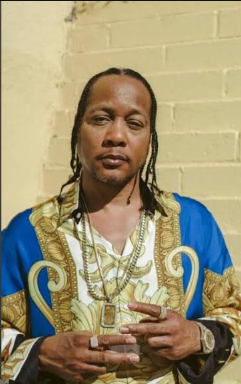
Across the international music scene, artists have turned their hair into an extension of their artistry, proving that personal style can be as memorable as the music itself.

American rapper and producer DJ Quik, who hails from Compton, California, has experimented with different looks throughout his career.
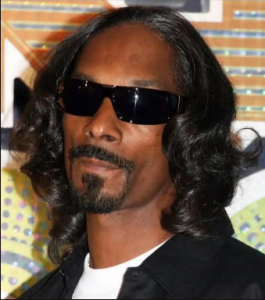
Fellow rapper Snoop Dogg has also made his hairstyles part of his recognisable image, complementing a persona that stretches beyond music into entertainment and popular culture.
Then there is André 3000, the rapper, singer and songwriter whose willingness to experiment with fashion and appearance has helped establish him as one of hip-hop’s more unconventional style figures.
Their journeys offer an interesting perspective on Macheso’s hairstyle debate.
What some fans see as an unusual look, others may view as individuality, confidence, or artistic freedom.
For musicians who spend much of their lives in the public eye, even a change in hairstyle can become a talking point.
Fans may disagree, critics may weigh in, and social media may turn a personal grooming choice into a public discussion.
Ultimately, the debate raises a simple question: should an artist’s appearance be judged by conventional standards, or celebrated as part of their freedom to express themselves?
Macheso’s hair may divide opinion, but the wider conversation reminds us that music is not experienced through sound alone.
Image, identity and personal style also shape how artists connect with their audiences.
And perhaps, beyond the jokes and criticism, there is a simple lesson: an artist’s head belongs to the artist.
The music, however, belongs to everyone willing to listen.