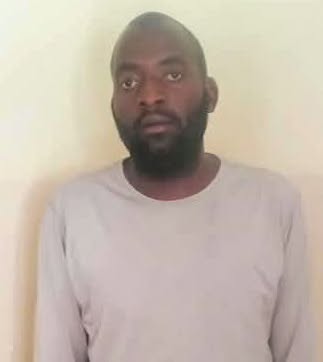
A Botswana-based Zimbabwean man who was arrested for Unlawful Possession of suspected Human Body parts has been cleared after forensic examination ruled out human body parts.
In a statement, the Botswana Police Service (BPS) confirmed investigations into the case that initially involved the Unlawful Possession of suspected Human Body parts.
This comes after Shashe Mooke was arrested near Francistown on 13th September.
“Following extensive Forensic Pathological examinations and comprehensive scientific analysis, it has now been conclusively established that the exhibits that resembled male organs, recovered during the Police investigation, are not human body parts.
“Investigations have since revealed that the recovered objects were allegedly used as part of a fraudulent scheme to deceive unsuspecting members of the public.
“The suspect is alleged to have falsely presented the items as human body parts in order to convince clients that he possessed supernatural powers capable of removing misfortunes, curing spiritual afflictions, or solving personal problems.
“Through this deception, victims were allegedly induced to part with money under the false belief that they were receiving genuine spiritual assistance.
“The accused. 28-year-old Zimbabwean national. Nyasha Mudzongeri has already appeared before the Francistown Magistrates’ Court on charges of entering Botswana through an Ungazetted Point of Entry.”
The statement said the Police are in the process of preferring additional charges relating to the alleged fraudulent activities, following the outcome of the forensic investigations.
“The Botswana Police Service strongly cautions members of the public to exercise vigilance and refrain from falling prey to individuals who promise miraculous or supernatural powers in solving problems, in exchange for money.
“They are encouraged to verify the credibility of persons offering such services and to report any suspected fraudulent conduct to the nearest Police Station.
“The BPS thanks members of the public for their patience and cooperation throughout the investigation.
“We reiterate the importance of allowing investigations to take their lawful course before drawing conclusions or circulating unverified information, particularly on social media platforms.”