


The Society for AIDS in Africa (SAA) has expressed its concern regarding the ongoing Ebola outbreak in the Democratic Republic of the Congo and Uganda and extends its solidarity to the affected communities, healthcare workers, public health professionals, and researchers working tirelessly to contain the outbreak.
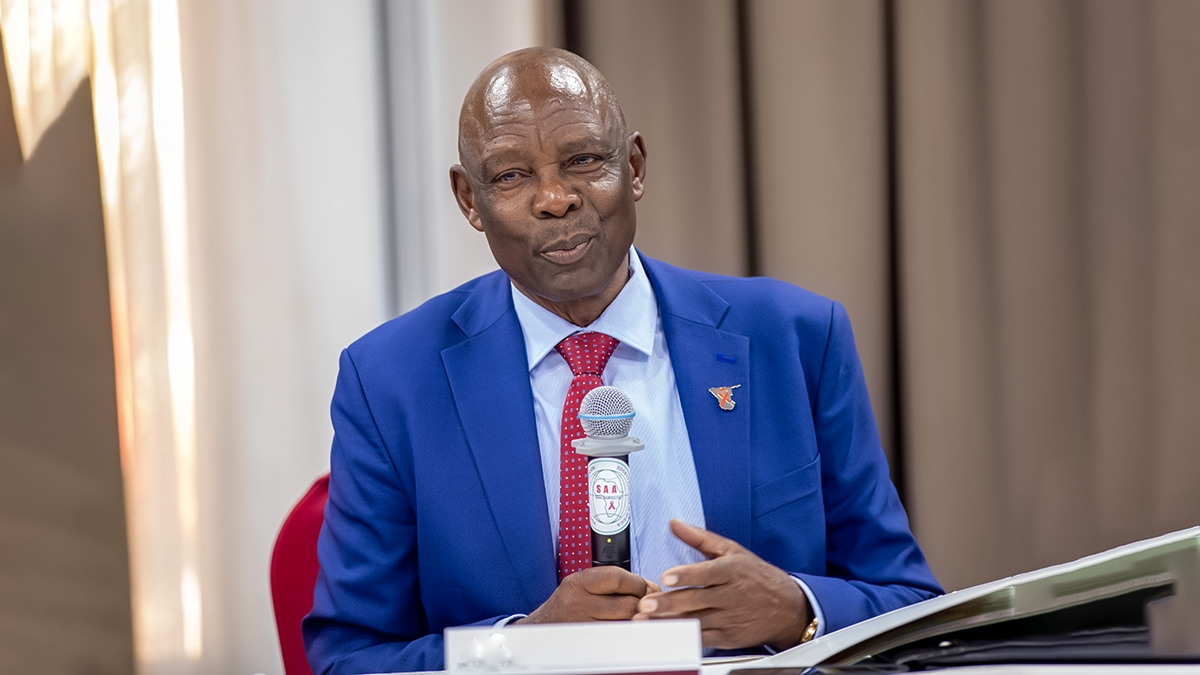
In a statement, SAA president, Dr. Richard Nchabi Kamwi, said they welcome the World Health Organization’s declaration of the outbreak as a Public Health Emergency of International Concern (PHEIC), a critical step in mobilising international coordination, funding, and response mechanisms to support affected countries and prevent further spread.
“We commend the governments of the Democratic Republic of the Congo and Uganda, Africa CDC, the World Health Organization, Médecins Sans Frontières (MSF), humanitarian agencies, and other international partners that are working around the clock to strengthen surveillance, support contact tracing, isolate confirmed cases, provide clinical care, and engage communities.
“Their efforts are essential in limiting transmission and protecting lives.
“We also urge all countries across Africa to remain vigilant and strengthen preparedness measures.
“Infectious disease outbreaks do not respect national borders, and effective containment depends on strong surveillance systems, rapid information sharing, coordinated response efforts, and sustained public trust.
“While Africa CDC continues to provide critical leadership in supporting Member States and coordinating continental public health responses, epidemic preparedness cannot rest solely on regional institutions.
“African Heads of State must individually and collectively prioritise investments in health security and establish stronger systems for epidemic and pandemic preparedness.
“This includes strengthening disease surveillance, laboratory networks, healthcare workforce capacity, emergency response systems, infection prevention and control measures, research and innovation, and local manufacturing of diagnostics, vaccines, and therapeutics.
“These investments are not only health priorities but national development and security priorities.
“The lessons from HIV/AIDS, Ebola, COVID-19, and other infectious disease outbreaks have repeatedly demonstrated that preparedness saves lives, protects economies, and strengthens resilience.
“Africa cannot afford to remain reactive.
“We must build sustainable systems capable of detecting, preventing, and responding to public health threats before they become crises.
“The Society for AIDS in Africa calls for greater collaboration among governments, regional bodies, international partners, researchers, and communities to ensure that Africa is better prepared for future epidemics and pandemics.
“The time to invest in preparedness is before the next outbreak, not during it.”


 has expressed its concern regarding the ongoing Ebola outbreak in the Democratic Republic of the Congo)