By 2030 Africa’s green economy is projected to generate over 3.3 million new direct and indirect jobs, particularly in solar energy, spanning manufacturing, installation, operations, maintenance and innovation.
Zimbabwe has already benefitted from this green wave, creating numerous jobs in renewable energy and related industries.
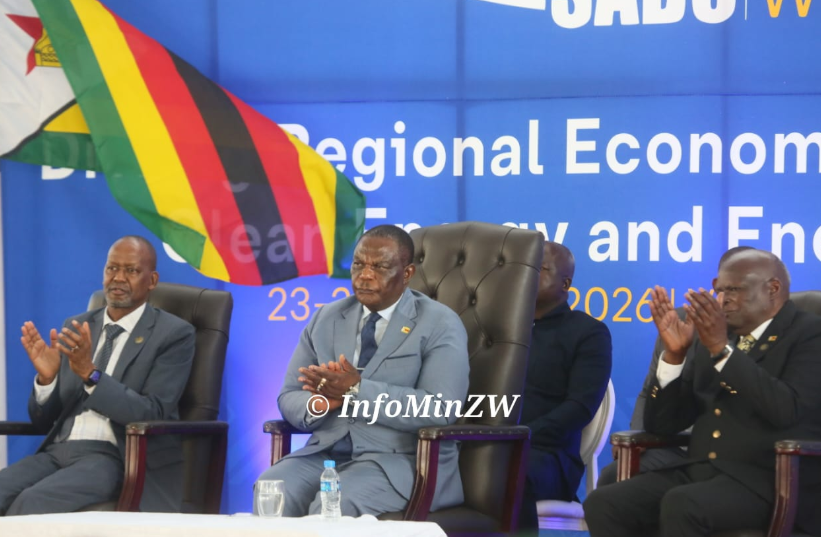
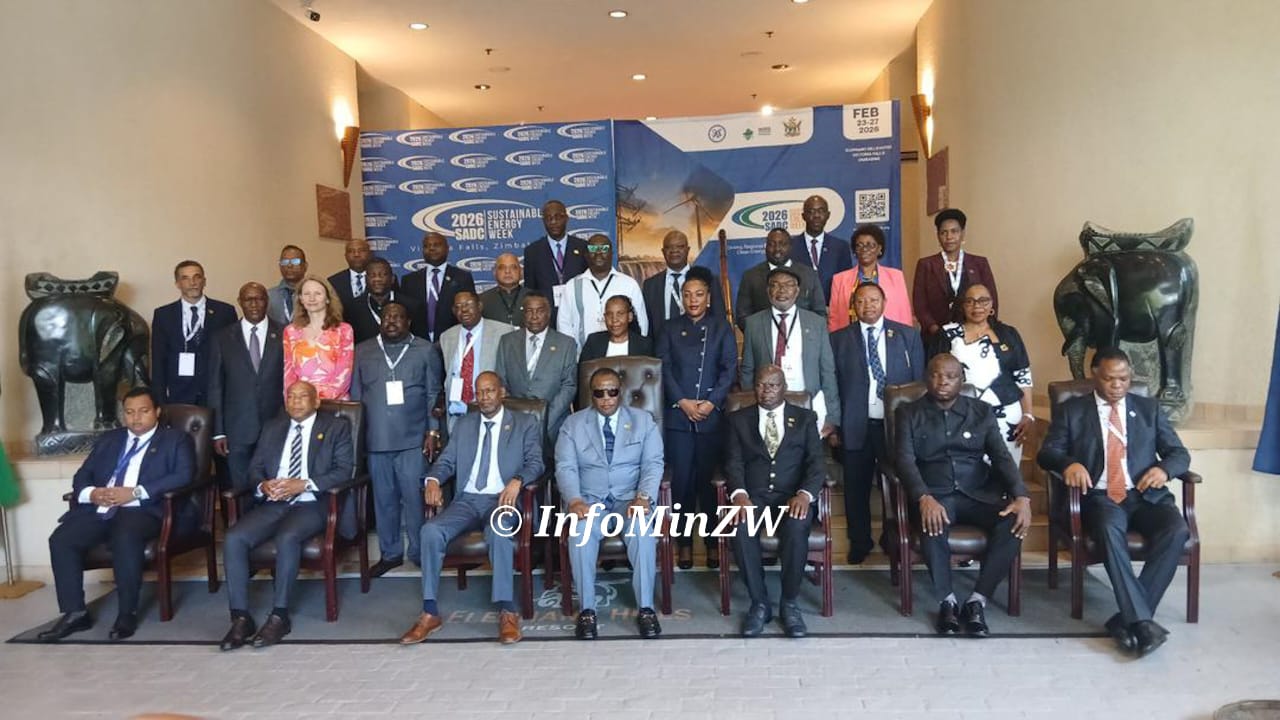
This was revealed by Vice President Constantino Chiwenga who was speaking during the official opening of the 2026 Edition of the Southern African Development Community Sustainable Energy Week on behalf of President Mnangagwa in Victoria Falls.
The summit is running under the theme: “Driving Regional Economic Growth through Clean Energy and Energy Efficiency”, which speaks directly to our growth imperative.
“This demonstrates our commitment to sustainable growth and inclusive economic development.
“Continentally, it is disheartening that despite Africa being endowed with nearly 60% of the world’s best renewable energy resources, including solar, wind, hydro, biomass and fossil fuels, it has only harnessed a small fraction of this potential.
“Our continent continues to face challenges of power deficits.
“There is a huge investment gap in the energy sector which continues to hamper our ability to fully utilise our resources for inclusive growth.
“As developed nations have moved along carbon-intensive pathways, Africa seeks support to leapfrog directly to clean, modern, and sustainable energy systems, in line with our commitments under the Paris Agreement.
“We must embrace all energy sources boldly and unite in our efforts to position Africa as a global leader in sustainable energy development.
“However, the question before us is whether Africa will remain an extraction zone, a raw material supplier, or become a value-adding industrial hub in the clean energy value chain.
“In that regard, allow me to highlight the recent signing of a Memorandum of Understanding to promote the peaceful application of nuclear science and technology to advance Africa’s socio-economic development by the African Union, the African Commission on Nuclear Energy and the Organisation for Economic Cooperation and Development (OECD) Nuclear Energy Agency.
“This presents a strategic opportunity for Southern Africa to build regulatory competence, human capital, value chains and regional collaboration frameworks to leverage peaceful nuclear technologies responsibly and strategically in support of Africa’s energy transition and industrialization agenda.”
VP Chiwenga said, at the regional level, the Southern African Development Community with over 340 million people and a combined GDP exceeding US$720 billion, remains energy-constrained.
“Power deficits, ageing infrastructure, transmission bottlenecks, fragmented regulatory regimes and infrastructure financing gap estimated at US$83 billion per year continue to limit growth.
“The region’s strategic initiatives—such as the Renewable Energy Strategy and Action Plan (RESAP), the Energy Efficiency Strategy, and the Southern African Power Pool (SAPP) are crucial in addressing these challenges.
“”These frameworks must now transition from strategy documents to implementation pipelines in increasing renewable energy share, reducing energy intensity, facilitate cross-border electricity trade and improve system resilience.
“Zimbabwe’s energy landscape reflects both challenges and opportunities.
“Currently, our electricity access rate stands at approximately 62%, with rural access slightly above 20%.
“We recognize the need to increase our access rate.
“Therefore, under National Development Strategy 2 and our Energy Compact, as we pursue universal access by 2030, we are: Liberalizing generation to attract Independent Power Producers; Enabling direct power purchase agreements; Expanding private sector participation in transmission and distribution; Accelerating rural electrification targeting universal coverage of schools and clinics and Mobilising domestic capital through structured engagement with local financial institutions.
“Furthermore, our abundant resources of significant coal deposits, massive water bodies, and untapped solar and wind energy offer immense opportunities.
“Projects like Zimbabwe’s waste-to-energy initiatives in Harare exemplify innovative solutions for developing clean cities, reducing hazards, and generating power.
“Decentralized renewable systems, including mini-grids, are crucial for rural transformation and economic empowerment,” he said.
“The global energy system is undergoing structural transformation. Capital flows are shifting and supply chains are being reconfigured. “Strategic and critical minerals are redefining the Global Geopolitics as we enter a 4th Industrial Revolution.
“Southern Africa must not be a spectator to this transition, we must shape it.
“I am gratified that this platform convenes policymakers, energy experts, academia, financiers, industry leaders and key stakeholders from across our region and beyond.
“This high-level convergence clearly signals one thing: that the region is ready to move from dialogue to delivery,” he said.
VP Chiwenga said, Zimbabwe deeply values the initiatives led by the Southern African Development Community in promoting sustainable energy development, regional collaboration, capacity building and knowledge sharing.
“I also take this opportunity to commend the Southern African Development Community Centre for Renewable Energy and Energy Efficiency for its continued leadership in fostering regional cooperation and innovation.
“These efforts are vital in addressing the complex challenges facing our regional energy sector which is an enabler to economic growth.
“It is also through these collaborative platforms that we can unlock investment opportunities, facilitate transfer of critical skills and drive transformative change for Africa to rise to the occasion of industrialisation to benefit our economies and communities.
“Therefore, we cannot remain behind whilst our God-given resources develop other already industrialised nations.”
The Vice President said that globally, the country is witnessing a significant shift towards clean energy solutions and enhanced energy efficiency.
“Renewable technologies have achieved cost parity and in many cases, cost superiority over conventional generation.
“The cost of solar PV technologies has declined by over 80% in the past decade and wind turbine costs have fallen substantially.
“This transition is also creating millions of green jobs worldwide, and Africa is emerging as a key beneficiary.