New York, 24 September 2025 — Heads of State and world leaders have vowed to eliminate malaria as a key goal and the Catalytic Framework to end AIDS and TB in Africa by 2030.
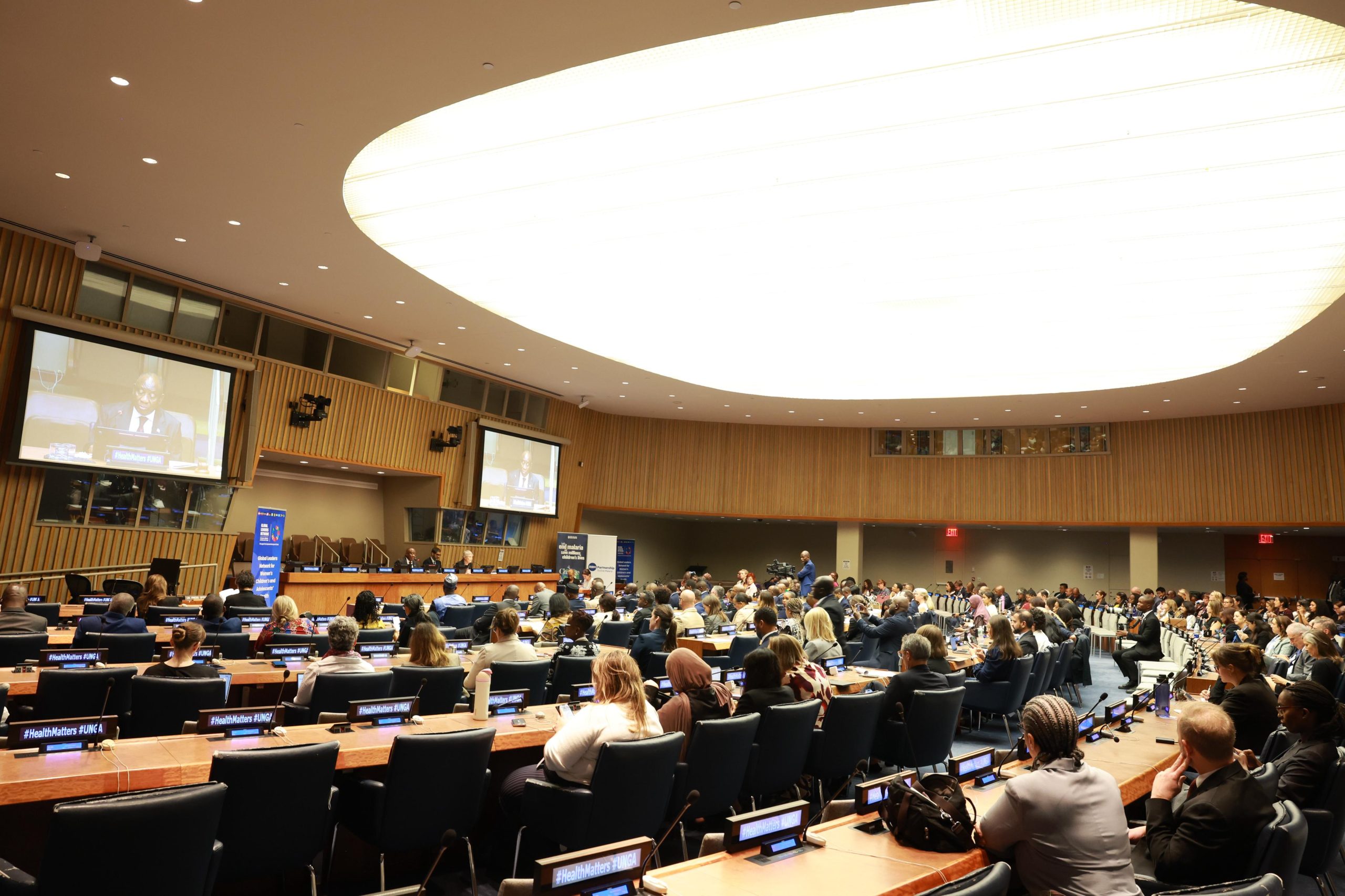
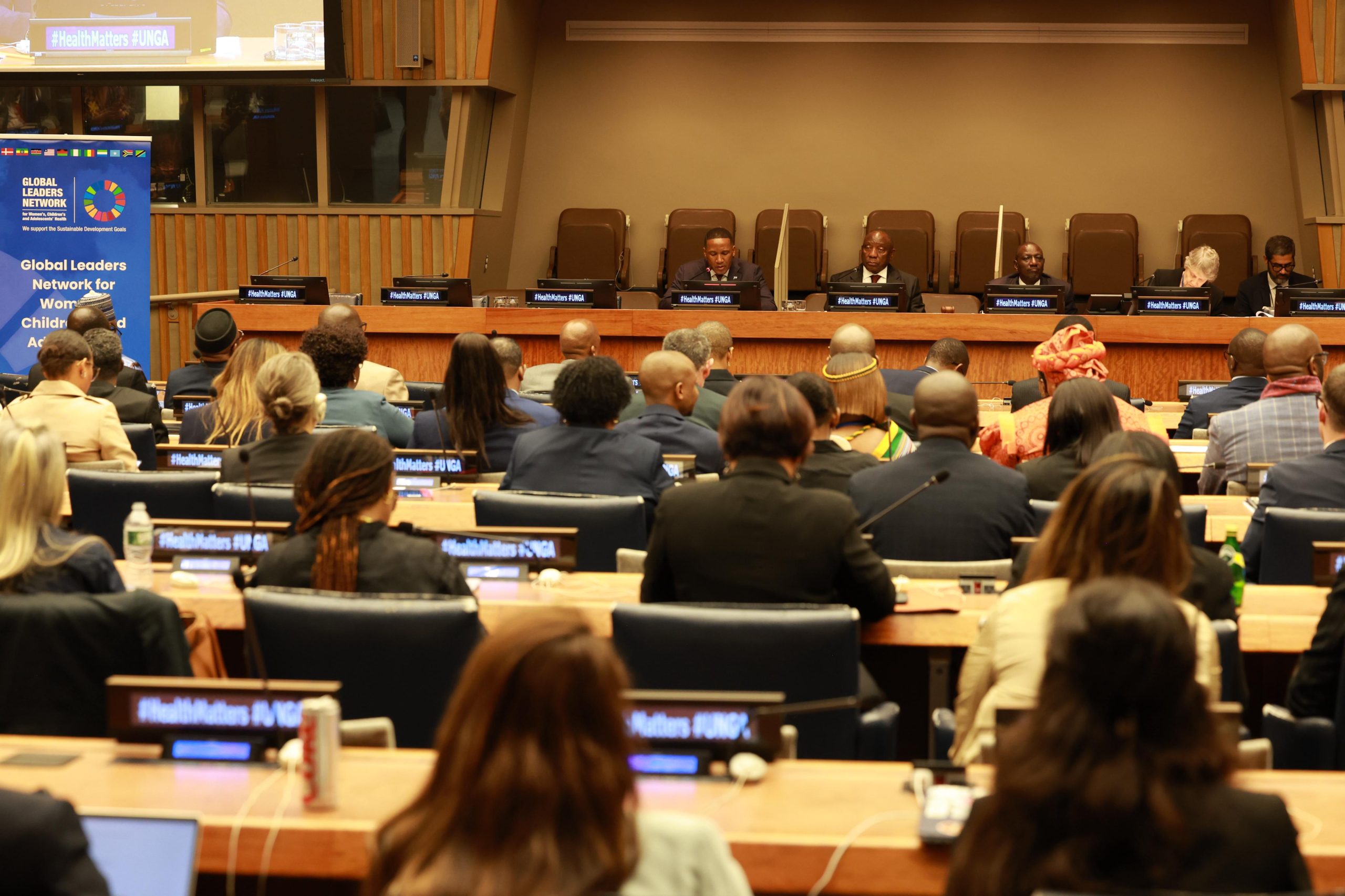
On the sidelines of the 80th United Nations General Assembly (UNGA), heads of State and world leaders convened for a landmark event, titled “Uniting For Global Health Security,” jointly hosted by the Global Leaders Network (GLN) for Women’s, Children’s, and Adolescents’ Health (WCAH) and the African Leaders Malaria Alliance (ALMA).
This event comes amid overlapping global crises—from conflict and displacement to climate emergencies and economic shocks—that have strained health systems and diverted resources from long-term development goals.
In humanitarian settings, women, children, and adolescents face heightened vulnerability, with alarming rates of preventable deaths and unmet health needs.
According to the World Health Organization, in 2023 alone, an estimated 260,000 women died from largely preventable causes related to pregnancy and childbirth—92% of them in low- and lower-middle-income countries.
That same year, under-five deaths reached 4.8 million, including 2.3 million newborns, while stillbirths remained near 1.9 million.
Countries with humanitarian response plans—which include fragile and crisis-affected settings—accounted for 64% of global maternal deaths, 50% of newborn deaths, and 51% of stillbirths.
Complications from pregnancy, including unsafe abortions, are the leading cause of death among girls aged 15 to 19 years.
In developing countries, 214 million women who want to avoid pregnancy are unable to access modern methods of contraception.
These figures highlight the urgent need for targeted action, sustained investment, and affordable sexual and reproductive health services.
A recent Lancet report warns that the trend is worsening with a projected 14 million additional deaths by 2030, including 4.5 million children under five.
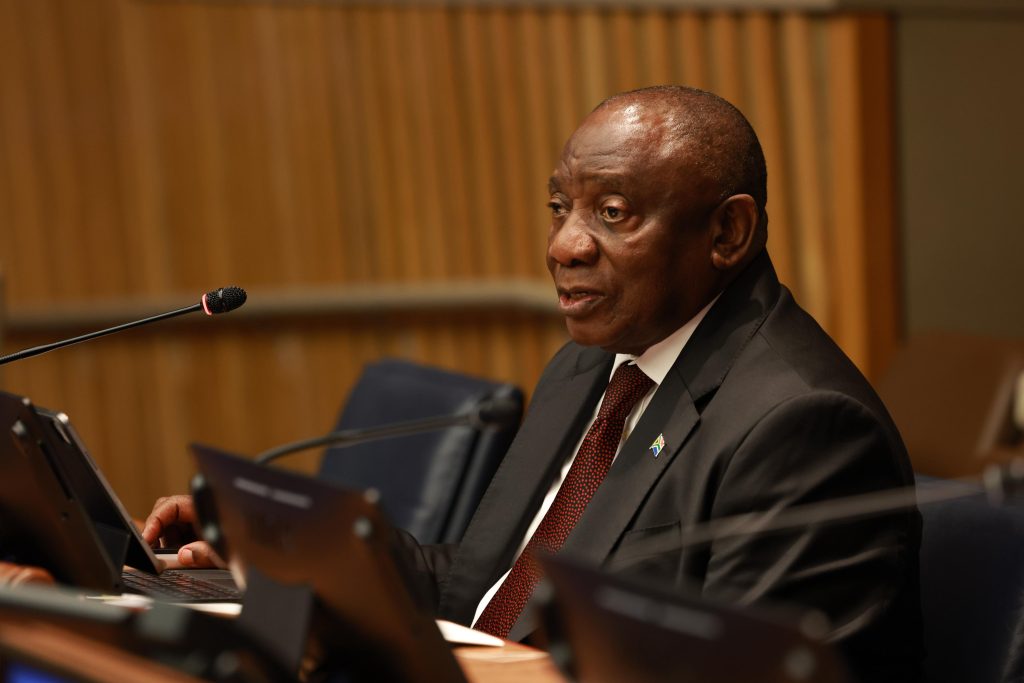
President Cyril Ramaphosa, Republic of South Africa said:
“Since we met last year on the margins of UNGA, the challenges are escalating conflict, displacement, economic shocks, and the climate emergency have reversed hard-won gains in health and development.
“Women, children, and adolescents – those whose well-being defines the future of ever society – are bearing a disproportionate burden.”
While Helen Clark, Board Chair of PMNCH and Former Prime Minister of New Zealand, said.
“If we fail women, children & adolescents in times of crisis, we risk losing the very future we seek to build.”
In response, leaders called for bold, innovative, and inclusive approaches to financing and service delivery.
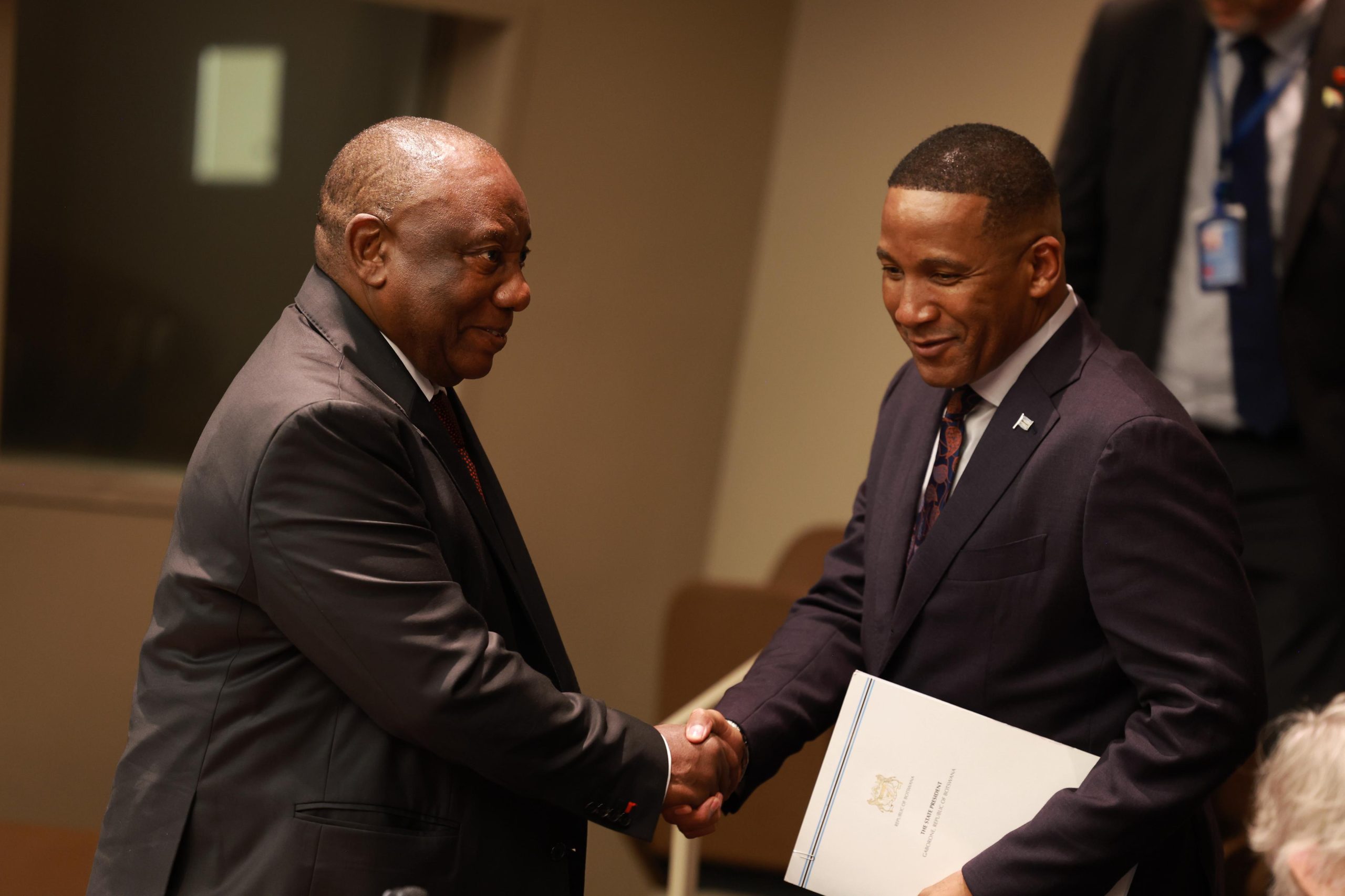
President Ramaphosa (Chair of the GLN) and President Duma Boko (Chair of ALMA) urged for united action and the development of new financing mechanisms to address the decline in Official Development Assistance (ODA).
“We need a health accelerator, a strong, sustainable partnership for prosperity with the private sector and the diaspora.
Let’s make a political commitment and commit to being held accountable.
We can make malaria elimination a reality. We can deliver a healthy tomorrow for women, babies, children, and adolescents—the time to start is now,’ President Duma Gideon Boko, Republic of Botswana.
The proposed Public-Private Partnership (PPP) Health Accelerator is a transformative financing model aimed at bridging gaps in health service coverage and access.
It seeks to enhance efficiency, promote public health interests, and deliver care to the most vulnerable—particularly women, children, and adolescents.
Leaders reaffirmed its potential to mobilise and sustain resources, close the widening financial gap, and accelerate progress toward health equity.
Muhammad B. S. Jallow, Vice President, The Gambia said:
“Public-private partnerships can help us fill growing resource gaps and accelerate our progress to elimination.
These partnerships are key to delivering sustainable financing at this critical moment and leading our continent to prosperity.”
Leaders from Kenya and The Gambia emphasised that strong political will and locally driven solutions are critical in protecting the health and rights of vulnerable populations, particularly women, children, and adolescents.
While speakers from Gavi the Vaccine Alliance, the African Union Development Agency (AUDA-NEPAD), and the Africa CDC delivered messages of solidarity and championed African-driven
solutions to strengthen health security, including local vaccine manufacturing and domestic resource mobilisation.
The United Nations Population Fund (UNFPA) highlighted the importance of prioritising vulnerable groups and reaffirmed the value of sexual and reproductive health as a cornerstone of sustainable development.
UNFPA Executive Director Diene Keita, said:
“Let’s recommit to fight against all preventable death. With a focus on vulnerable people, let’s unite behind the fight against malaria, which remains a top killer of women, children and adolescents.
“And let’s not forget that sexual and reproductive health is a best buy for development—one of the smartest, most cost-effective investments any government can make.”
About The Global Leaders Network (GLN): Initiated in 2023, the Global Leaders Network is the first and only Global South-led global health diplomacy initiative to support the attainment of the 2030 Sustainable Development Goals related to women, children, and adolescents.
The GLN is creating a pathway towards the reduction of maternal, neonatal, and adolescent mortality rates by a third in network countries by 2030.
About the African Leaders Malaria Alliance: Established in 2009, ALMA is a ground-breaking
coalition of 55 African Heads of State and Government working to eliminate malaria in Africa by
2030.
Over the years, ALMA’s mandate has expanded to support progress in reproductive, maternal, newborn, child and adolescent health, nutrition and neglected tropical diseases.
ALMA’s work and vision are aligned with both the African Union Agenda 2063 – “The Africa We Want” which sets the elimination of malaria as a key goal and the Catalytic Framework to end AIDS, TB and Eliminate Malaria in Africa by 2030.